Foreign Friends, Foreign Light
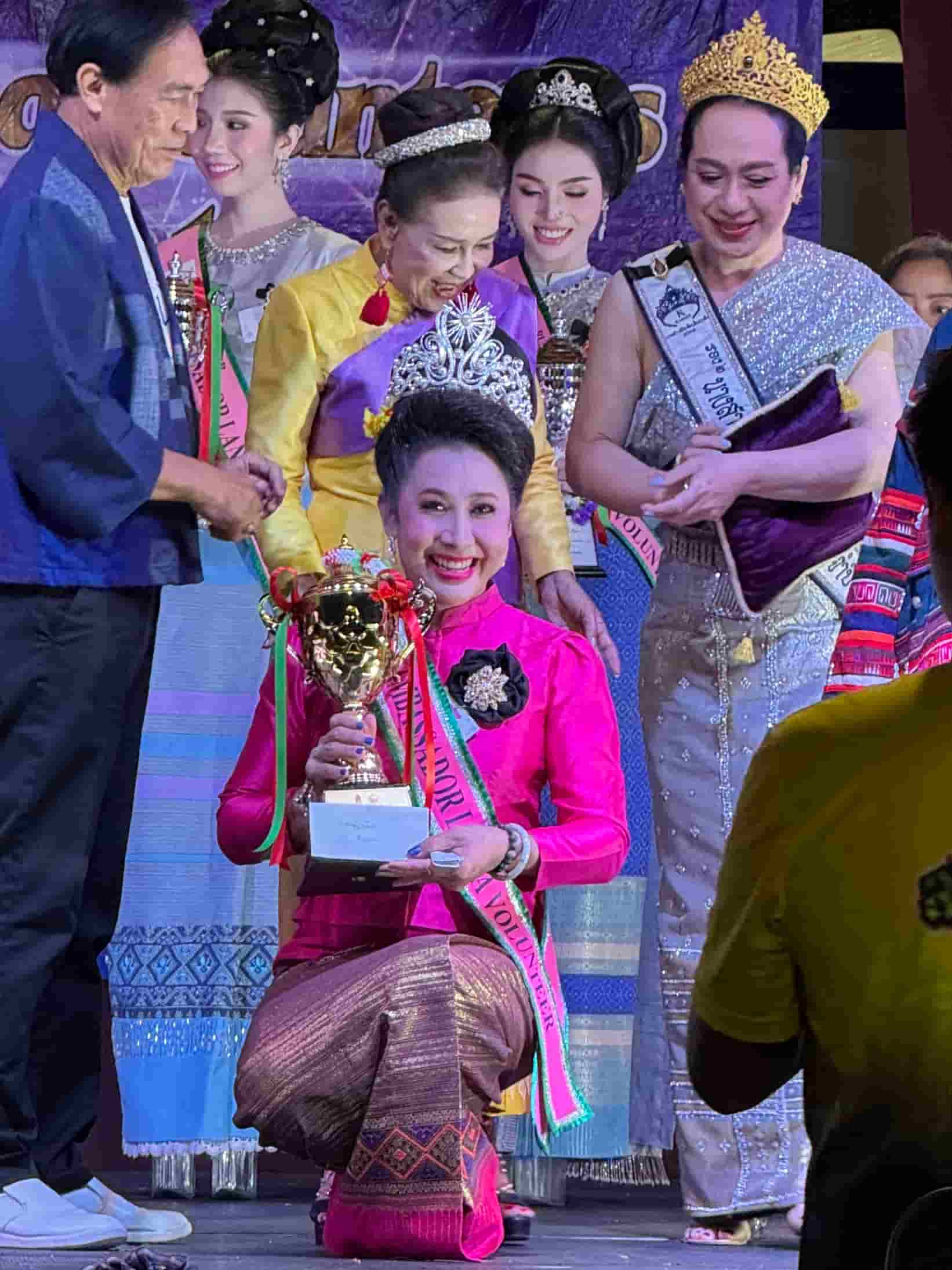
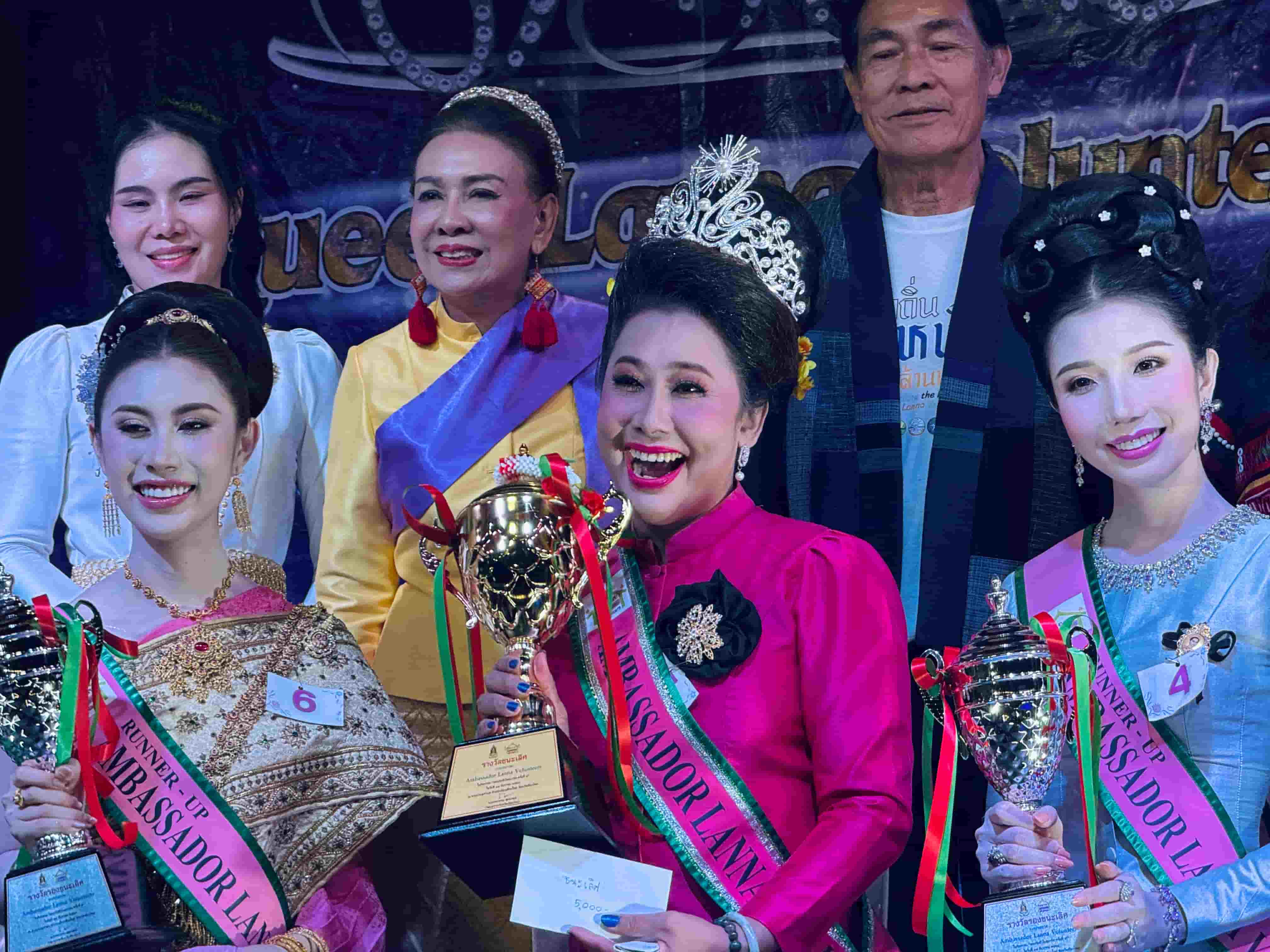
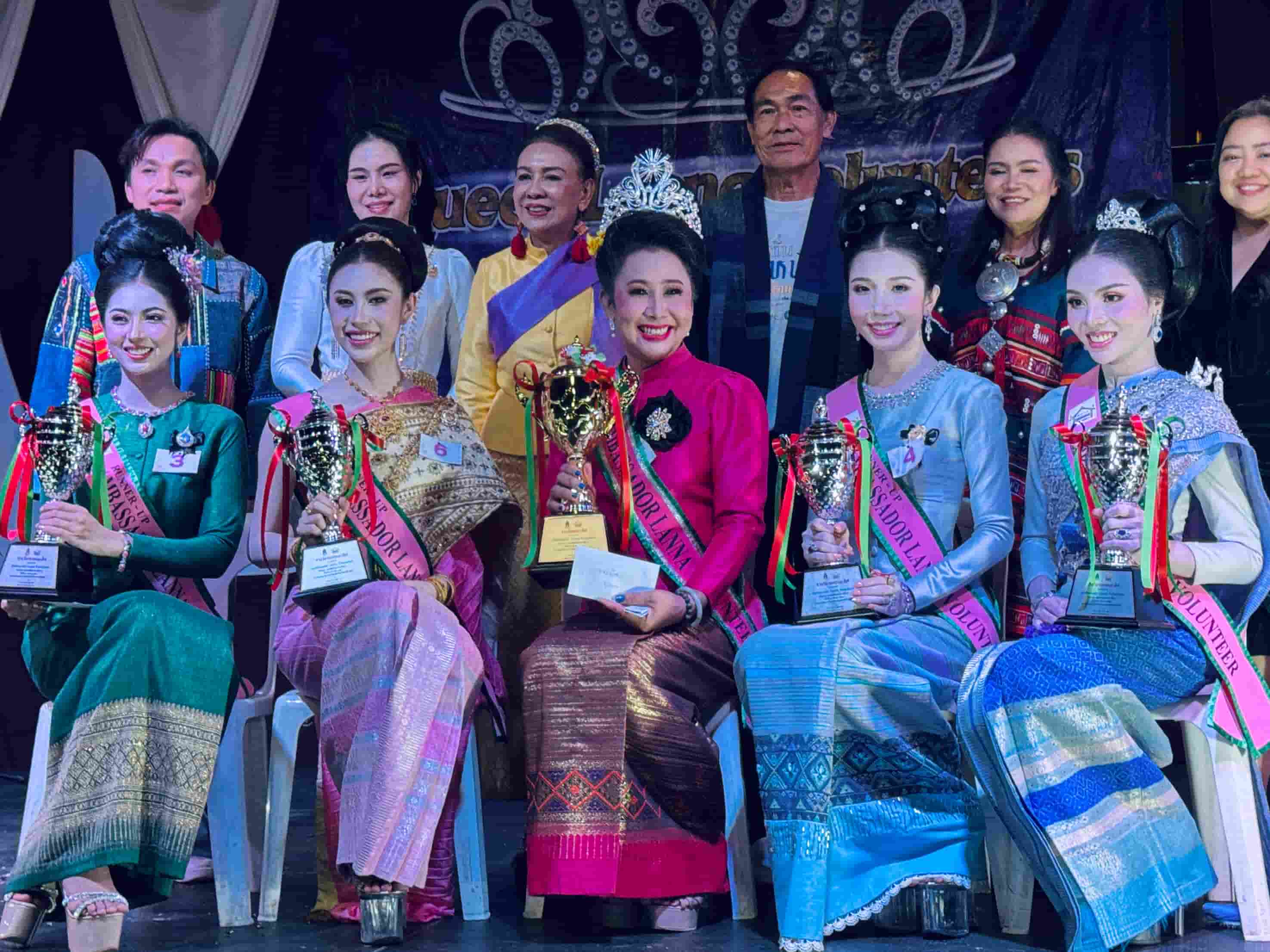
In the old city of Chiang Mai, I had the chance to watch a beauty pageant—unexpected, unplanned, and quietly unforgettable.
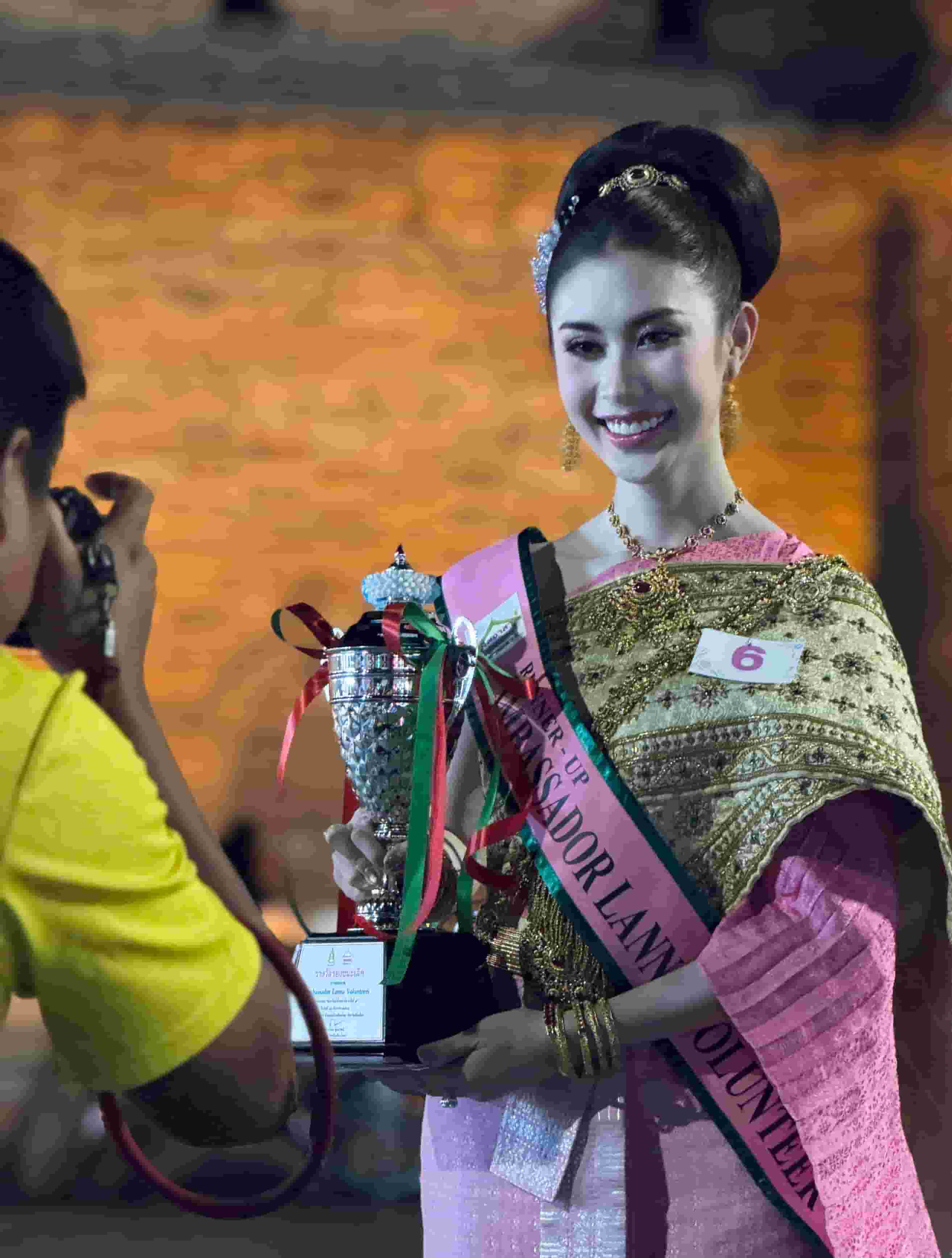
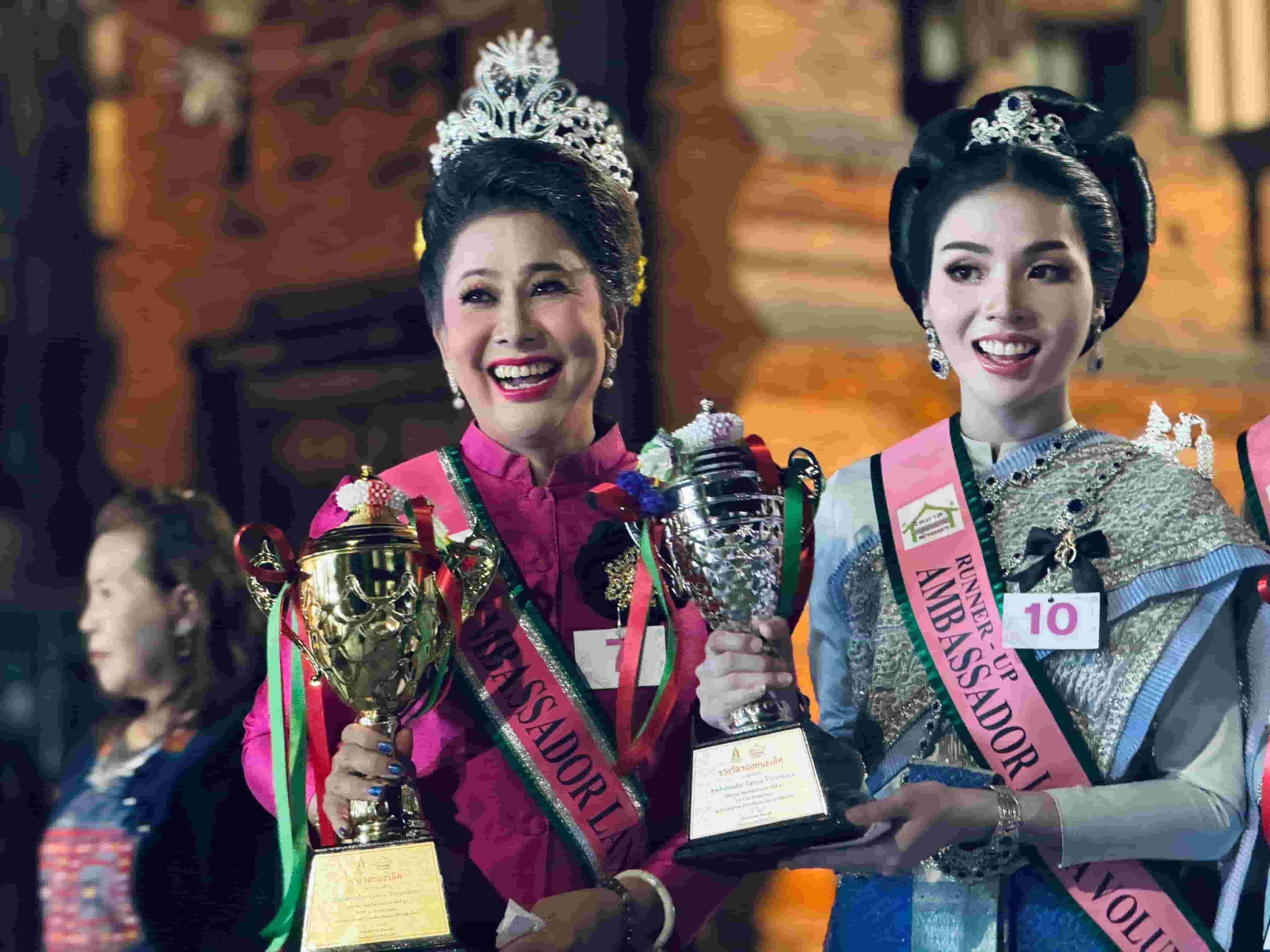
The stage was not grand in a spectacular sense, nor was the crowd overwhelming. Yet everything felt carefully held together by a kind of calm confidence. The contestants wore traditional costumes, their movements deliberate, their smiles steady rather than performative. It was beauty, yes—but not the aggressive, spotlight-hungry beauty I had grown accustomed to seeing elsewhere. This beauty felt ceremonial, communal, and strangely intimate.
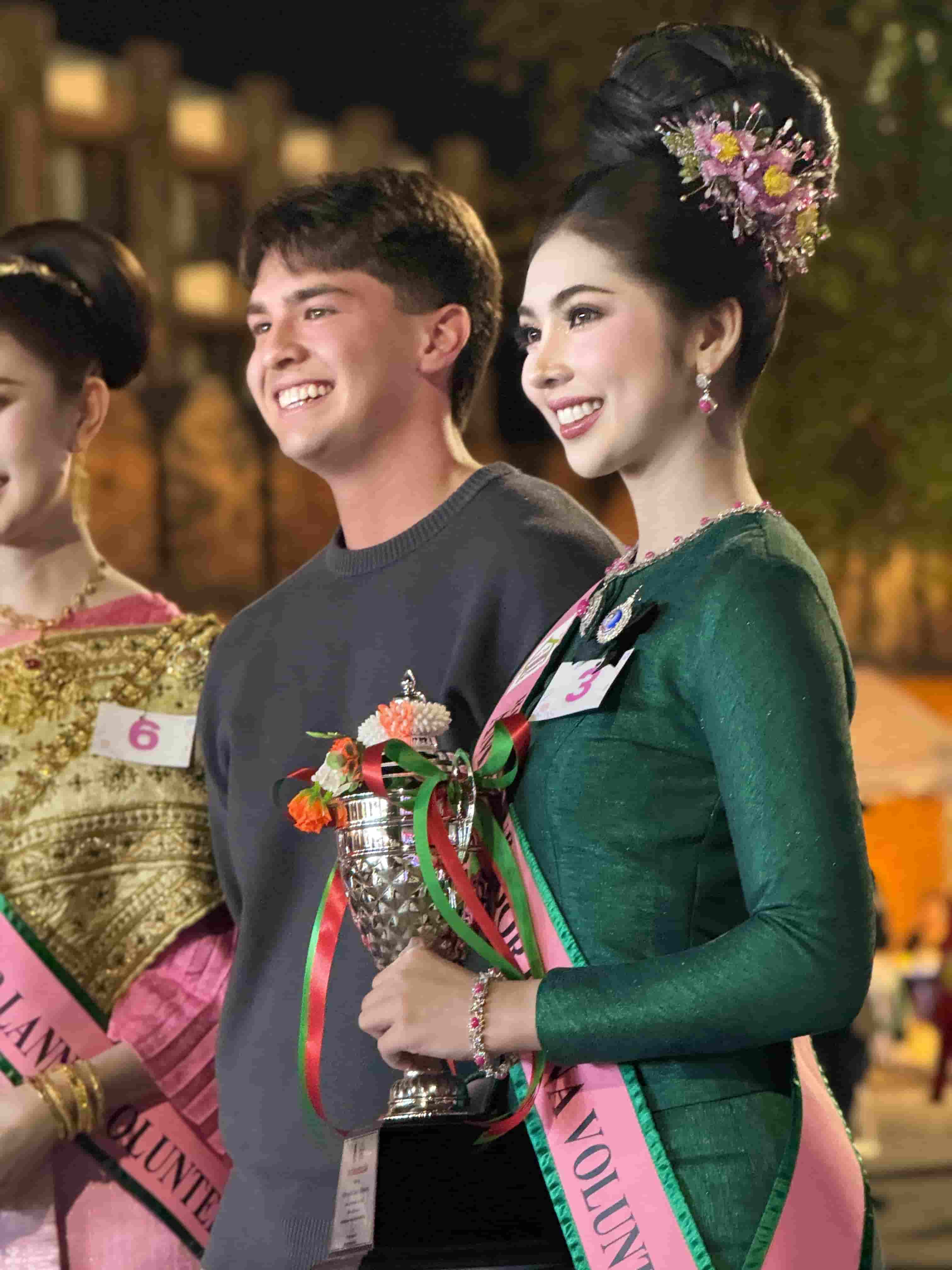
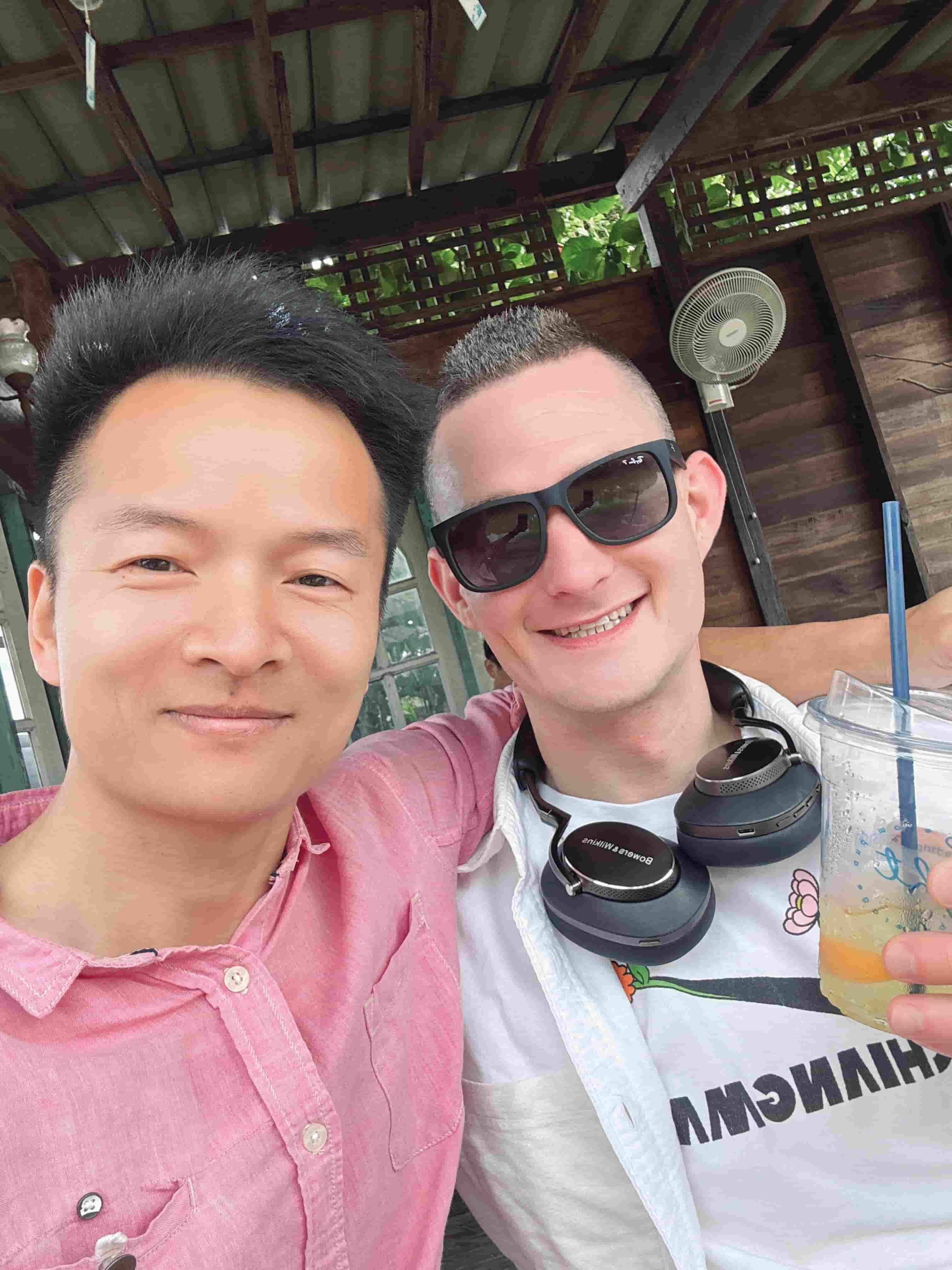
That night, I took a photograph with Frankie Morello. It became the first photo I took in this country with a foreign friend.
Foreign friends. Foreign place. Me too.

This small moment stayed with me far longer than I expected. Perhaps because it marked something more than a simple encounter—it marked the beginning of a shift in how I see, and how I place myself in the world.
⸻
Coming from China, I carry with me a deeply ingrained sense of density. Density of people, of rhythm, of intention. Our cities move fast, our lives are layered with responsibility, and our cultural expressions often carry the weight of history and collective memory. Even joy sometimes feels purposeful, as if it must justify itself.
Thailand, at least in my early experience, feels different.
Here, time seems softer. Not slower in a lazy way, but less demanding. People smile without explanation. Ceremonies unfold without urgency. Beauty does not need to be sharp-edged to be respected. There is a noticeable absence of tension—the kind of tension that comes from constantly measuring oneself against others, against progress, against expectation.
This difference struck me immediately, and not as an abstract idea, but as a physical sensation.
⸻
During the beauty pageant, I noticed how the audience watched. There was applause, of course, but it was gentle. No shouting, no exaggerated reactions. People seemed content simply to witness. The contestants themselves did not radiate anxiety. They were composed, dignified, present. Winning seemed important, but not at the cost of losing oneself.
In China, competition often carries a heavier emotional charge. Achievement is meaningful, but it is rarely light. From a young age, we are taught that effort must show, struggle must be visible, and success must be earned through visible pressure. This has its strength—it builds endurance, discipline, and ambition. But it also leaves marks.
Watching this pageant, I realized how unfamiliar it felt to see confidence without hardness.
⸻
Another thing that moved me was the way tradition lives here.
In China, tradition is vast and powerful, but it often exists in museums, textbooks, or carefully staged performances. It is respected, sometimes revered, but not always woven seamlessly into daily life. Modernity often stands in sharp contrast to the past.
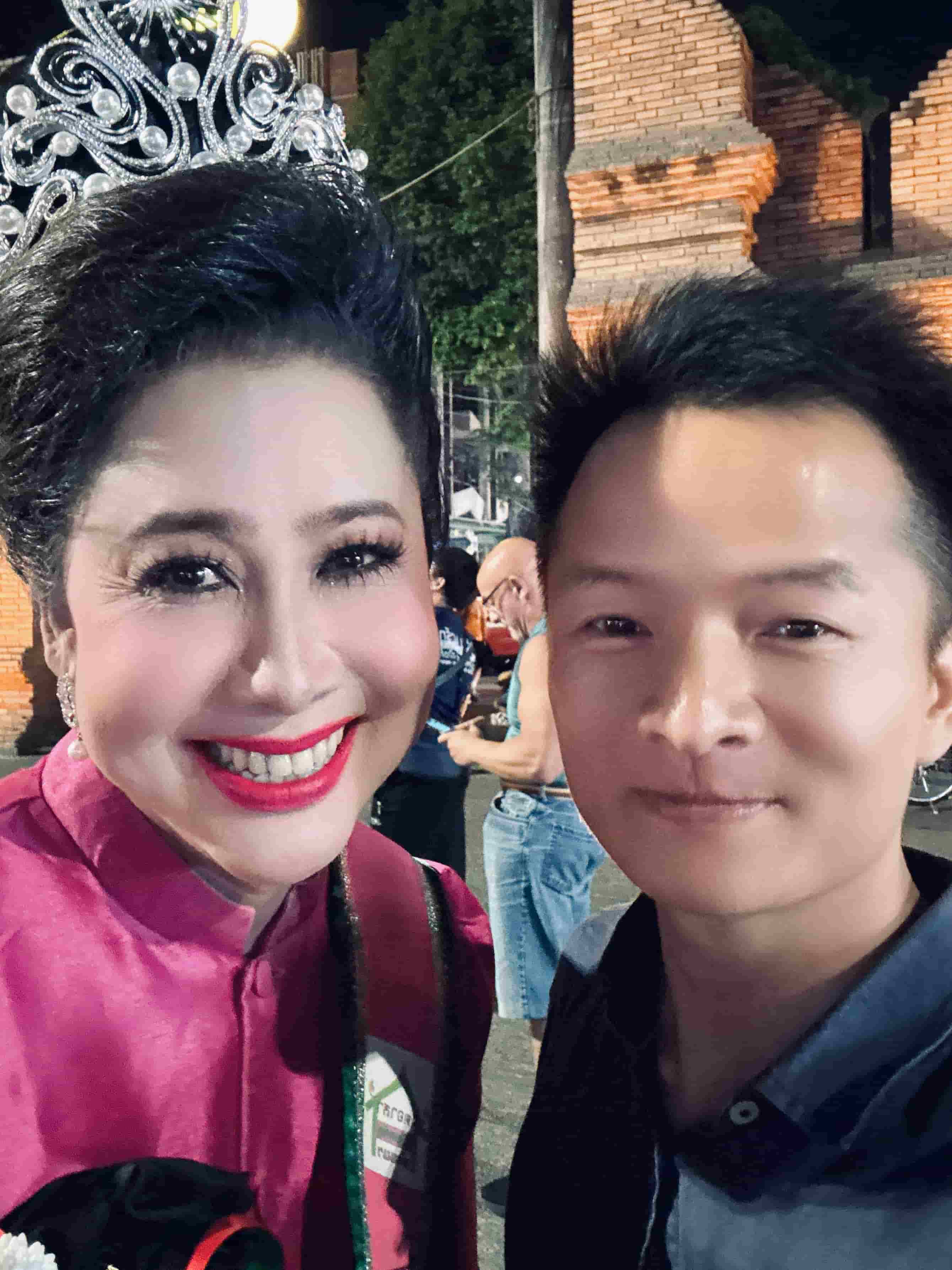
In Chiang Mai, tradition felt alive rather than preserved. The costumes were not costumes in quotation marks. They were worn naturally, comfortably, as if the past had never been asked to leave. There was no sense of reenactment. Instead, there was continuity.
This does not mean one culture is better than the other. Rather, it reveals different relationships with time. China looks forward with immense force; Thailand seems to walk alongside its past.
⸻
Meeting foreign friends here also altered something within me.
In my home country, “foreignness” is often marked clearly. There is a sense of boundary—sometimes curious, sometimes cautious. Abroad, I became the foreigner myself. Yet I did not feel reduced to that identity. Instead, I felt expanded by it.
Conversations were simpler. Introductions lighter. People did not ask what I had achieved, only where I was from and how I felt about being here. This subtle shift mattered. It allowed me to exist without explanation.
That photograph with a foreign friend was not important because of who he was, but because of how natural the moment felt. No labels, no hierarchy—just two people sharing a place, a night, a smile.
⸻
Of course, curiosity often walks hand in hand with self-reflection.
Being in Thailand made me think more deeply about my own cultural instincts. Why do I tend to observe before participating? Why does silence feel safer than expression? Why do I often carry seriousness even in moments meant for ease?
These questions are not criticisms of my homeland. They are acknowledgments. China shaped me—my patience, my sense of endurance, my respect for depth and complexity. Thailand, however, invited me to loosen my grip on constant meaning-making.
Sometimes, it is enough to be present.
⸻
As I walked through the old city, camera in hand, I felt neither tourist nor local. I was somewhere in between—a witness. The walls, the lights, the people, the rituals—they did not demand understanding. They simply allowed it.
This, perhaps, is what I love most about this country: it does not insist. It welcomes curiosity without urgency, difference without tension.
I remain deeply connected to my homeland. That connection does not weaken here—it becomes clearer. By seeing another way of living, I better understand my own.
Foreign place. Foreign friends. And me, slowly learning how to stand more gently within the world.